
Children's Mental Health Week 2024
Date Posted: 12 February, 2024
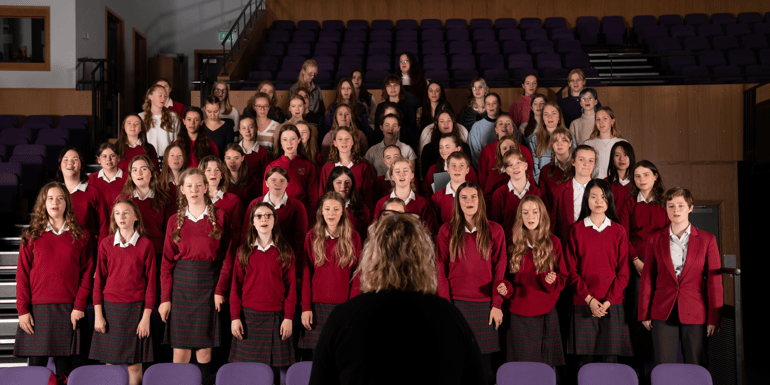
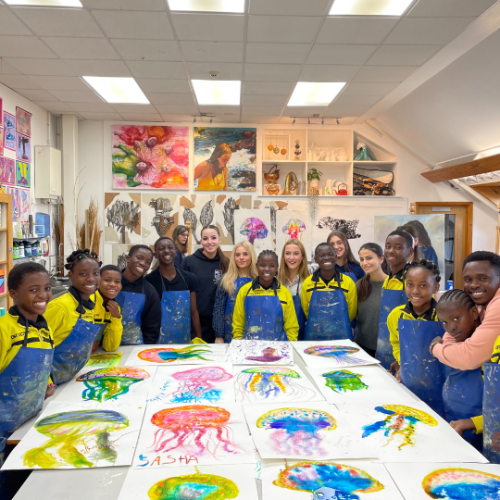
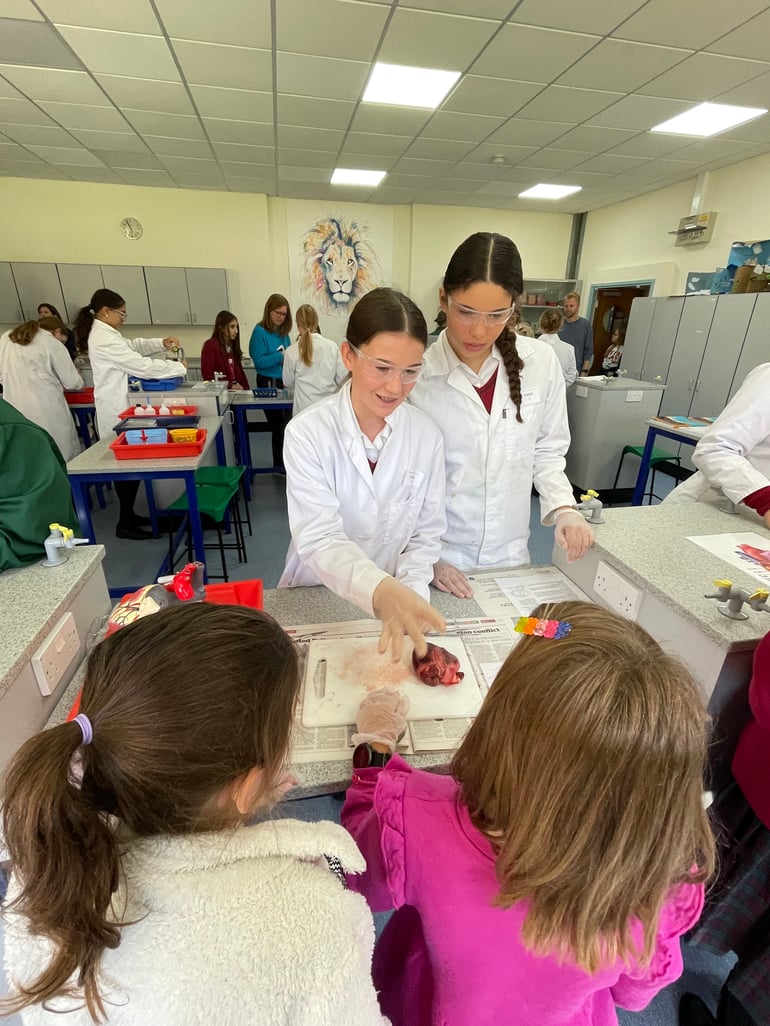
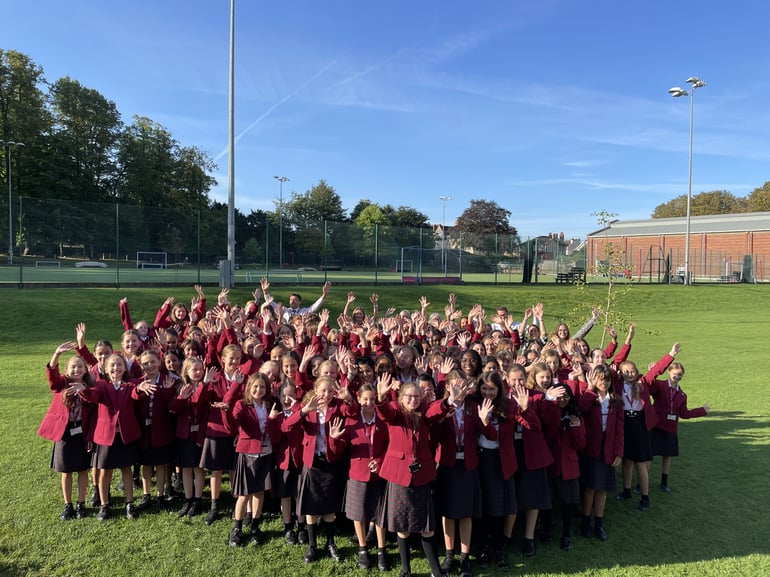
Last week, the Senior School and Sixth Form came together to celebrate and embrace Children's Mental Health Week, a...
READ MORE
Schools are about far more than academic success. The experiences students have outside the classroom, the relationships they build and the extent to which they feel they belong all play a significant role in shaping their time at school.
At Redmaids' High, student culture is not something separate from school life. It is woven into the everyday experiences that help our girls develop confidence, discover their interests and build meaningful connections with others. A positive school culture creates an environment where students feel seen, respected and encouraged to contribute, allowing them to flourish academically, socially and emotionally.
As Head of Student Culture and Personal Development, I have the privilege of overseeing many of the initiatives that support this aspect of school life, including our enrichment programme, co-curricular opportunities, Equality, Diversity and Inclusion (EDI) work and Personal, Social, Health and Economic (PSHE) education. Each area provides students with opportunities to grow beyond the classroom and engage more deeply with the wider community around them.
Of course, this work is most effective when it is part of a wider collective effort. It sits alongside the exceptional pastoral care provided by Tutors, Heads of Year, safeguarding colleagues and well-being teams across the school. Together, we strive to create an environment where students feel safe, supported and comfortable being themselves. When young people feel a genuine sense of belonging, the positive impact can be seen not only in their well-being but also in their confidence and achievement.
Listening to Our Students
One of the most important ways we can understand the student experience is by listening carefully to the voices of the young people themselves.
Earlier this year, our students took part in the annual GDST-wide Undivided Survey, which explores how strongly they feel a sense of belonging within their school communities. The results were extremely encouraging and reflected the positive culture that students, staff and families work hard to create together.
Among the findings:
We were particularly proud that these results were among the strongest across the Girls’ Day School Trust. While it is encouraging to see such positive feedback, the survey also serves as an important reminder that fostering inclusion is an ongoing process. Understanding student experiences helps us identify what is working well and where we can continue to evolve.
Celebrating Diversity and Learning from One Another
One of the greatest strengths of any school community is the range of experiences, backgrounds and perspectives that its members bring.
Throughout the year, we create opportunities for students to learn about different cultures, traditions and viewpoints, encouraging curiosity, empathy and an appreciation of the world beyond their immediate experiences.
Recent examples include our student-written Ramadan guidance, which offered insight and practical advice to the wider school community, and our Community Iftar event, which brought together students, families and staff to share food, conversation and reflection during the holy month of Ramadan. These moments provided valuable opportunities not only to celebrate cultural identity but also to deepen understanding across our community.
Culture Week continues to be a much-anticipated part of the school calendar. Through assemblies, workshops, discussions and student-led activities, students are encouraged to share their experiences, challenge assumptions and engage thoughtfully with the diversity that exists both within the school and beyond it.
This year, we are also excited to welcome our newly appointed Sixth Form Equity Leads. Their involvement will ensure that student perspectives continue to shape the direction of our work and highlights the important role young people play in building an inclusive and supportive school community.
Keeping Personal Development Relevant
The world our students are preparing to enter is constantly changing, bringing new opportunities as well as new challenges. As educators, we have a responsibility to ensure that personal development remains relevant to the realities they are experiencing.
With the introduction of updated statutory guidance for PSHE and Relationships and Sex Education (RSE), we continue to review and refine our curriculum so that it reflects the issues most pertinent to young people today. Topics such as digital well-being, healthy relationships, identity, citizenship and diversity are explored in ways that encourage students to think critically and develop the skills needed to make informed decisions.
We also recognise the important role that parents and carers play in supporting this learning. Strong partnerships between home and school help create consistency in the messages young people receive and provide valuable opportunities for ongoing conversations beyond the classroom.
Prioritising Well-being
Supporting well-being remains a key priority across the school.
This year, we are launching The Reset Series, a new initiative designed to encourage students to pause, reset and recharge throughout the year. Developed in response to growing conversations around balance, resilience and self-care, the programme offers opportunities for students to step away from the demands of everyday life and engage in activities that promote relaxation, connection and enjoyment.
Planned activities include:
These experiences are intended as a reminder that well-being is not simply something we focus on during difficult times. Building healthy habits, creating space for reflection and maintaining strong social connections all contribute to positive well-being throughout the year.
Looking Ahead
One of the most rewarding aspects of this role is seeing new ideas develop from conversations with students and families.
Following the success of our Community Iftar event, we are looking forward to introducing a new Cultural Café initiative. The concept is simple but powerful: members of our community will be invited to share dishes that hold personal or cultural significance, preparing and enjoying them together while learning about the stories and traditions behind them.
Food has a unique ability to bring people together, and we hope the Cultural Café will provide another opportunity to celebrate our diversity, strengthen relationships and learn from one another.
Ultimately, student culture matters because it shapes the daily experiences that stay with young people long after they leave school. When students feel valued, when they see themselves reflected in their community and when they are encouraged to explore, contribute and connect with others, they are far more likely to thrive.
The positive feedback reflected in this year's Undivided Survey is something we are proud of, but it is not an endpoint. Through our enrichment programme, EDI work, PSHE curriculum, well-being initiatives and partnerships with families, we remain committed to ensuring that every student feels a sense of belonging and has the opportunity to make the very most of their time at Redmaids' High.
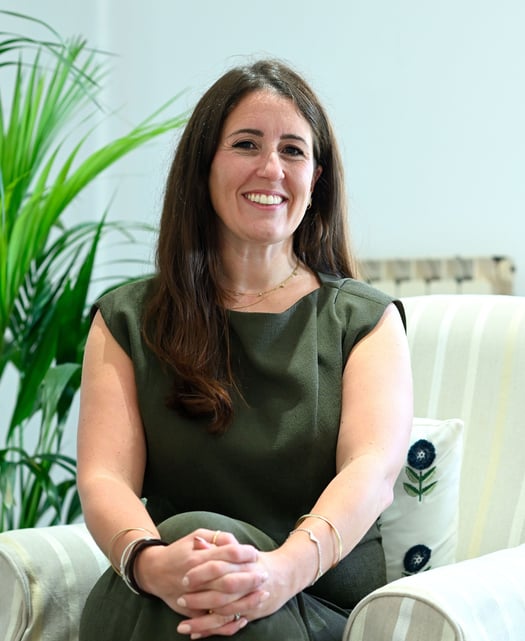
Mrs Alice Hinks, Head of Student Culture and Personal Development
To learn more about our curriculum, support of personal development and approach to pastoral care, click to arrange a visit here or contact our Admissions team.